People need to consider solar power installation because electric power consumption continues to rise while electricity prices keep increasing. Individuals who want to understand between residential solar panel installation and commercial solar panel installation for their buildings need to grasp solar panel installation procedures.
The following guide includes detailed information about solar panel setup methods and necessary procedures while offering cost-based advice to help you decide.

Step 1: Assess Your Energy Needs
Your energy use evaluation should guide your solar panel installation by determining the appropriate number of panels. Check your typical monthly electricity spending within your bills to determine your power usage. Selecting the correct solar panel system size requires the information provided by this assessment.
Key Considerations:
You should determine what percentage of your monthly energy use amounts to.
The solar power will provide energy to which home appliances
• A grid tied or an off grid system?

Step 2: Choose Your Appropriate Solar Power Panels, Equipment
You should now select your suitable solar power equipment as well as panels.
The selection of a solar power system becomes simpler with the use of top-quality equipment including solar panels and inverters. Companies dealing with solar panels will assist you to find suitable equipment based on established budget parameters and site location.
Best Solar Panel Installation Tips:
Online solar panels have higher costs and deliver increased power efficiency.
The price point of monocrystalline makes it suitable yet slightly less power-efficient than the alternative version polycrystalline.
The solar panel you choose must match the capabilities of your installation system.
Step 3: Site Inspection and Permits
The inspection of roofs or land before solar power system installation demands a specialized professional team because this evaluation must take place before the installation process to confirm suitability. The permits sometimes receive encouragement from local regulatory bodies.
Site Inspection Factors:
The strength and state of the rooftop must be evaluated.
Sun exposure level determination together with shading analysis constitutes a crucial factor.
• Space available for panels
Step 4: Installation of Mounting Structure
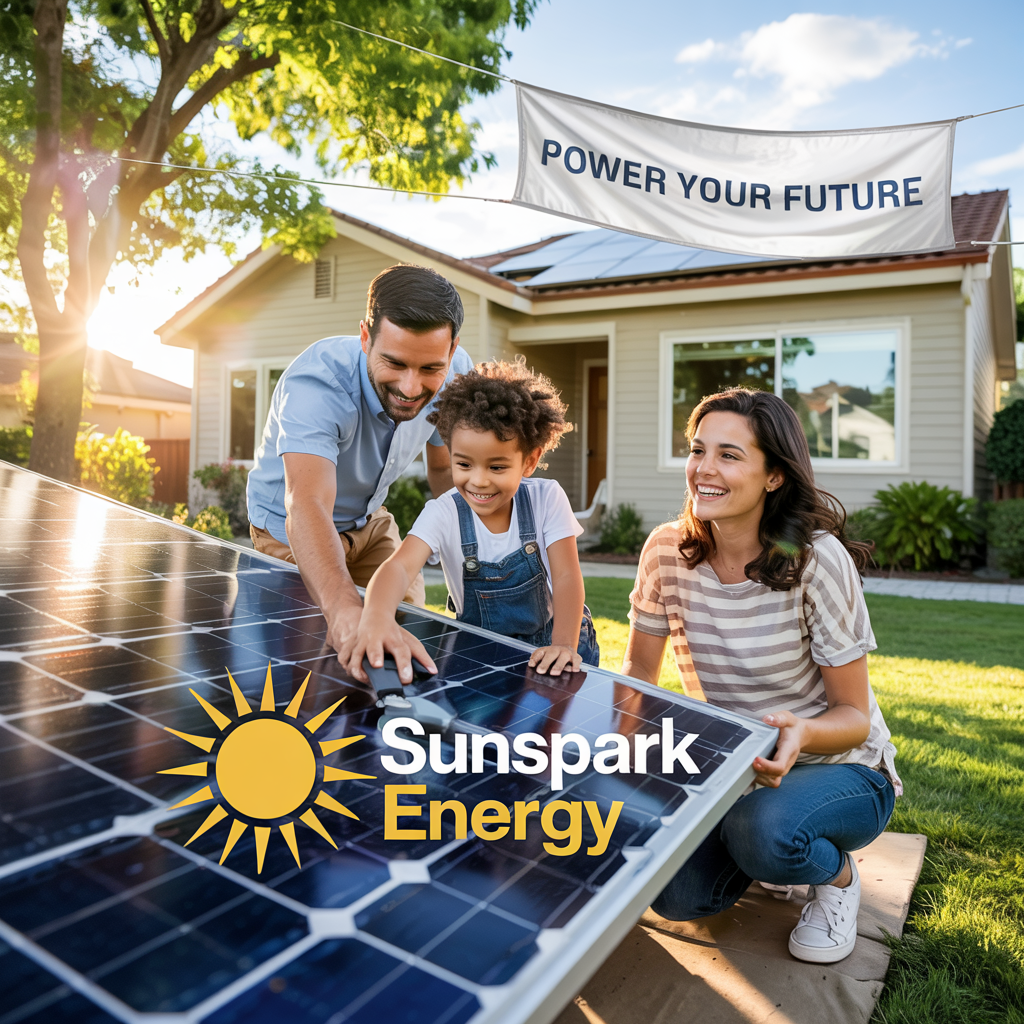
The solar panels are installed onto roofs through mounting hardware systems. The system needs positioning at its optimal angle to maximize the sun exposure.
Household solar power systems usually attach to building rooftops for their installation.
The installation of commercial solar panels operates best through either ground-mounted or rooftop systems based on space availability.
Step 5: Solar Panel Installation Process
The professional installation of solar panels begins only after securing the mounting structure into position. The system generates maximum energy efficiency through the way it joins solar panels together.
Solar panels should always be positioned to face direct sunlight because it improves the absorption rate.
The system gets connected with secure wiring using top quality wiring materials.
Wire and Connect the Inverter (Step #6)
Your home or business receives alternating current (AC) power which starts as DC energy from the installed panels. The electrical wiring procedure accompanies this process step.
The inverter needs placement under shaded and cool conditions.
High-quality cables should be deployed as they enhance the system’s durability alongside improved operational performance.
Step 7: Net metering
The solar installation sends any unused power to the utility system which leads to reduced utility bills for the same amount during this period.
The two fundamental solar systems involve grid tied systems where net metering lets users send their excess solar power through the electricity network. The installation combination generates energy surpluses which allows people to obtain credits and decrease their electricity costs.
Make sure to contact your utility provider because they enforce policies regarding net metering.
Smart monitoring systems enable you to track your energy savings levels.
Step 8: Testing and Activation
Following the installation phase the system goes through testing to ensure total operational success. The solar power system activates when approval is received and you start receiving renewable environmental energy from the system.
Final Thoughts
Businesses together with residential properties need to buy solar panels for installation. The solar panel installation guide helps you take better choices based on available options while maximizing your clean renewable power usage.
Is professional solar panel installation something you require? Reach out now to your selected expert energy provider for starting your quest of complete energy independence.