The development of solar energy in Pakistan has been developed much quicker than anybody could ever have anticipated. Thousands of households and businesses have fit solar panels in their homes in the past few years in order to reduce their electricity expenses. As the power tariff increase, load-shedding increased and the fuel prices have been on the rise, it seemed like the most intelligent decision to go solar. However, the year 2025 has introduced sweeping changes into the solar policy in Pakistan. The possible new rules regarding net-metering, as well as taxes on imports, have also given a new reason to worry to those electing to use solar and those considering doing so.
This blog reveals what is going on with the Solar Policy of Pakistan 2025 – changes in the net-metering practices, the appearance of taxes, and the idea of what will happen with homeowners, businesses, and installers in the following years.
Updates of Net Metering: Drastic Changes in 2025
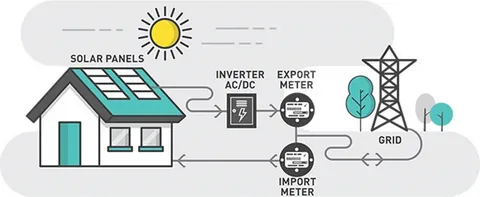
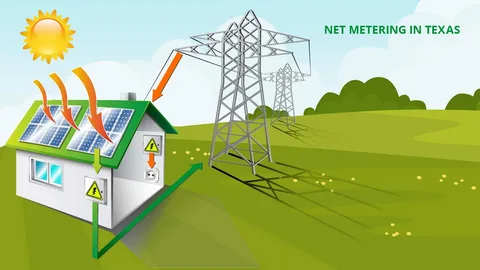
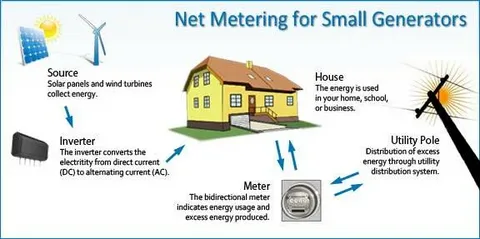
Solar users in Pakistan sold surplus electricity to the grid with the help of a high net-metering rate (circa Rs27/unit). It made solar systems cheaper since it allowed one to get back their money invested in it within 3-4 years.
Nevertheless, the government has declared a change in buyback rate to Rs10/unit in 2025. This implies that your power company will offer you a lower amount of money in case your solar panels generate more power than you consume.
What does this imply to the consumers?
- The payback period is longer: Whereas costs may be recuperated within 3 years, this may occur within 6-7 years.
- Reduced savings: Individuals that are going to be selling excess electricity will make less.
- Weaker driving force to put up solar: The number of people that are becoming reluctant to invest has increased.
Why were the rates revised by the government?
This is according to the officials who termed the earlier rates as unfair to the non-solar users since they used to pick up the national grid maintenance costs yet solar users enjoyed using the grid virtually for free. NEPRA (the National Electric Power Regulatory Authority) and the Ministry of Energy are keen to balance the system and make everyone contribute toward the cost.
Now what?
Consumer and industry stakeholders have lashed out at a policy that is being reviewed by the federal cabinet. They also talk of installing gross metering where you cash in all your electricity at a low and constant price and purchase more electricity at a certain price when there is a need.
This may be a substantial change to the existing system and may drive more people to off grid systems such as hybrid solar with a battery.
Tax and Import Duty on Solar Equipment
New taxes crack down on panels, inverters and batteries in 2025 were one of the primary movements that hit the solar market in Pakistan.
What is new?
Whereas solar equipment used to be tax-exempt, it now attracts:
- 10 per cent import tariff on inverters, panels Manufacturing already appears in the industry.
- Additional excise on lithium-ion batteries
- This has increased the installation of solar plants in the nation.
What is the reason behind levying these taxes
- The government claims that it is as a way to:
- Increase the volume of grid maintenance grillage
- Cut the Budget Deficit
- Support local solar production
However, several household owners and corporations believe that this will make solar energy even unaffordable.
Effect upon shoppers
A 5kW now sells at Rs1.8-2 million as opposed to the Rs1.5 million. Families and enterprises are postponing their plans and installers are reporting little in the way of collect new orders.
Any good things?
Local manufacturing is something that officials have hopes of growing as it will create jobs as well as reduce costs in the future. However, in the meantime, consumers and solar industry are pressurized.
Consumption and Energy Grid Effect
Pakistanis have a harder time going solar because of the change in the solar policy at 2025. There is an increase in the cost of installations due to the introduction of new taxes on equipment and a reduction on the net-metering rates which has reduced to Rs10 per unit if it was initially Rs27 per unit. The families that used to recapture the investment in 34 years have to wait 67 years or more. This has deterred the middle-class families to go solar.
Companies are also not accelerating their solar plans and installers are recording reduced fresh orders. This is not only hurting the consumers, but also the solar industry of Pakistan, which was generating employment and bringing innovations.
According to the government, the changes are necessary to sustain the national grid, where an increased number of solar users are diminishing the input into the sustaining of the national grid. Yet critics have said this sends a negative signal on clean energy when it is most needed.
Alternative Solutions energy: Hybrid systems and battery storage
Because net-metering rates decrease and taxes increase, hybrid solar systems with a battery accumulator are tested by many Pakistanis. The systems will allow you to save the surplus solar power and utilize it at night or when there is load-shedding and relieve you on the grid.
Nevertheless, batteries are costly. A system with 5kW of hybrid power may require more than Rs3 million rendering it to be unaffordable by most families. However, an upcoming demand of hybrid system in large cities is faming as people seek energy independence.
Some are even contemplating going completely off-grid, but since it is expensive, it is possible only in rural locations or rich families. Analysts are of the opinion that in the future, these solutions may be affordable to all persons due to the declining battery prices.
Future perspective: So what comes next in solar in Pakistan?
Pakistan finds itself at a cross-road of its future in solar. Solar adoption can be lowered because of the lower net-metering rates and newly introduced taxes. But the government cites that it intends to make amendments to the policies by consulting all concerned parties.
Punjab and Sikhs provinces are already designing their own subsidy schemes on solar energy to assist middle and low-income groups. Worldwide, the pattern of the battery storage and local production can promote cost reduction in Pakistan in the long-term.
In the meantime, analysts feel that hybrid systems and off-grid solutions will become more popular as the consumers want energy independence and free of policy shifts.
Homeowner and Installation Guide Tips
The 2025 solar policy will spell planning to the homeowners and businesses in Pakistan more than ever before. In case you are considering whether to or not to join the solar bandwagon, you should not waste any time. An early installation can save you money with an opportunity of a future increase in prices or an augmentation of policies.
Battery hybrid has become more intelligent. Albeit more expensive in the short-term they will partly alleviate your grid dependency and safeguard you against fluctuating net-metering tariffs. In places where load-shedding is regular, they are practically a necessity.
In addition, make sure to investigate whether there are provincial subsidies or local plans that would reduce the cost of your installation. Punjab and Sindh have already started investigating such possibilities.
Lastly, deal with reliable installers who are familiar with the current policy developments. As a good installer, he (or she) can direct you in the proper selection of the kind of system to put into place on your needs and how to take maximum returns on investment.
(Conclusion) A Turning Point of Solar in Pakistan
The Solar Policy 2025 in Pakistan has been game changers to the consumers and the energy sector. The rate of net-metering is lower, and there are new taxes which make the path to cheap solar energy more difficult.
Though they will make the grid more affordable at the expense of local productions, there is a fear of a possible hindrance of the growth of the renewable energy in the country. The middle and low-income families are now not able to afford to invest in the solar system.
Yet all is not lost. onward solutions are through hybrid systems, battery storage, and possible subsidies by provinces. The best a person can do at this point is to plan and be smart in terms of investing in Pakistan unreliable solar industry.
Sources and Resources
Some of the helpful sources to learn more about the solar policies in Pakistan are presented below. The changes in the net metering, as well as energy regulations, are invariably updated at the official portal of NEPRA. The ministry of energy too announces about new taxes and incentives.
Such news channels as Dawn, The Express Tribune, and Geo News have addressed the response of the society and the opinion within the industry regarding Solar Policy 2025. These have the ability to keep you informed of the developments within the situation.
Lastly, consult with your home area solar installers on how to handle these changes. They usually possess up-to-date information about prices, hybrid machine and provincial rebates.